


How Color Influences Sleep Quality in Bedrooms


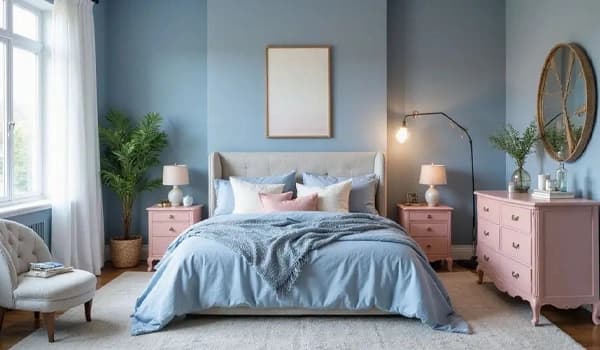
If falling asleep feels harder than it should, the issue may be hiding in plain sight: the bedroom wall color. Research shows that bedroom color for best sleep affects relaxation and alertness through perception and emotional response from the brain.
Here’s what science says, which colors work best, which to avoid, and how to apply them correctly for a proper rest at night.
How Bedroom Color Affects Sleep Quality
Colors affect our mood, energy levels, and of course, sleep readiness and/or quality by evoking psychological and physiological responses.
High-contrast, high-energy hues create sensory stimulation and signal the brain to activate. In contrast, cool-leaning, muted colors provide visual calm, help the brain relax, and support pre-sleep wind-down. These colors have shorter wavelengths (and lower frequencies) and soothe emotional response.
Best Bedroom Colors for Quality Sleep
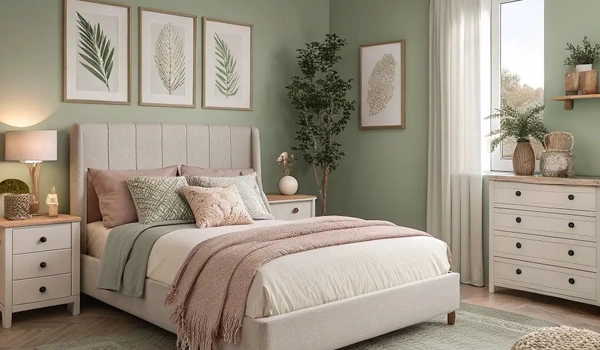
The best bedroom colors for sleep are soft, low-saturation hues. Some of these widely accepted options (also backed by research) include misty, powdery blues, the most consistently recommended sleep-friendly option to support relaxation; muted greens like age, eucalyptus, or olive-gray, as they reduce visual fatigue and are associated with nature, balance, and restoration.
Other options include warm neutrals (beige, greige, warm taupe), which bring a sense of safety and comfort without alerting the brain; light gray with warm undertones, providing a quiet, modern backdrop without feeling cold; and finally, soft lavenders or dusty lilacs to promote calm (evidence is mixed and personal on this one).
Bedroom Colors That Can Disrupt Sleep
Avoid bold or harsh shades such as bright red and vivid orange due to increased stimulation; high-saturation yellow, which is linked to mental alertness; stark cool white (pure or blue-based), whose sharp contrast can mimic daylight and make it harder to switch off.
Bright or saturated shades of bedroom color for best sleep aren’t suitable either. That’s right, strongly pigmented greens, blues, ... can disrupt sleeping as well. Strong accent walls in small bedrooms have the same effect, too. They increase visual stimulation and the brain may perceive it as clutter.
What Color Should a Bedroom Be Based on Light and Size?
Personal taste is important, but the ideal color also depends on how light and space interact with it. Let’s see what color should a bedroom be according to these factors.
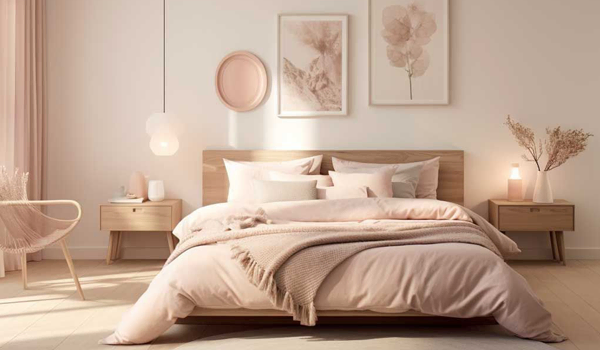
For small bedrooms, consider lighter, low-contrast colors to soothe the energy. Soft neutrals, pale blues, and light greige are perfect; they reflect light evenly and minimize perceptual boundaries that break the calm. For larger bedrooms, slightly deeper but muted tones also work well, because in bigger rooms, colors have less (psychological) weight.
If the room has limited natural light, it’ll benefit from warm-leaning light colors (warm beige, greige, soft sage) so it doesn’t look cold or dull. If it’s bright and sunlit, it can handle cooler muted tones like soft blue or blue-green without feeling plain or boring.
Room orientation matters, too. North-facing bedrooms receive cooler, indirect light. So, warm undertones can balance their space and maintain visual comfort. South-facing bedrooms get warmer, more direct light, which you can pair with cooler or neutral shades.
How Finish and Lighting Change Color Perception at Night
Matte and flat finishes absorb the light, reducing glare and surface contrast. Therefore, colors will be softer and less stimulating in low-light conditions. Eggshell finishes, on the other hand, reflect light and make colors more noticeable at night.
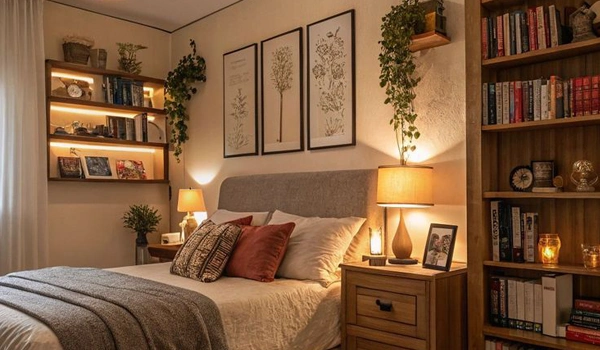
Warm vs. cool bulbs affect color perception as well. Warm lights (2700-3000K) support calm regardless of wall color, while cool lighting (+4000K) can make even soft colors alerting. Lower light levels cause dark/saturated colors feel heavier and light colors lose nuance.
For bedrooms, it’s best to pair low-sheen finishes with warm lighting to preserve a sense of calm and prevent colors from feeling overstimulating after dark.






- In this post:
- How Bedroom Color Affects Sleep Quality
- Best Bedroom Colors for Quality Sleep
- Bedroom Colors That Can Disrupt Sleep
- What Color Should a Bedroom Be Based on Light and Size?
- How Finish and Lighting Change Color Perception at Night