


Commercial Inspection in Canada: Checklist, Costs, and Major Systems Reviewed


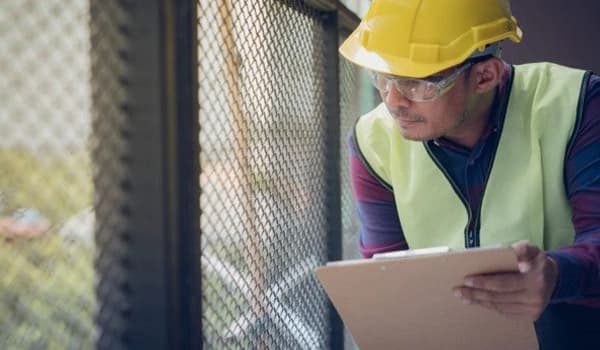
Investing in commercial property offers opportunities, but also involves risks that may not be immediately apparent. A professional commercial inspection enables buyers, owners, and investors to assess a building’s true condition by evaluating its structure, major systems, safety features, and compliance with Canadian building standards. Assessing elements such as interior spaces, roofing, HVAC, electrical, and fire safety systems helps protect your investment and prevent unexpected expenses.
This guide explains what a commercial inspection involves, its importance, key areas inspectors evaluate, common issues identified, and how to prepare for inspection day. It also includes a practical checklist, information on potential costs, and advice on selecting qualified inspectors in Canada. Use these insights to make informed property decisions.
What is a commercial building inspection?
During a commercial inspection, a commercial property's structure, systems, and safety features are evaluated thoroughly. The purpose of this inspection is to identify existing or potential problems regarding the building’s integrity and compliance with NBC (National Building Code of Canada) regulations.
To avoid confusion, consider reviewing our blog on commercial inspection vs home inspection too.
Importance of Commercial Building Inspection
Similar to a typical building inspection, a commercial inspection benefits potential buyers and/or owners in various ways, for instance:
- It helps them to understand the property’s condition.
- It uncovers hidden problems in the structure’s functionality, safety, or even its value.
- It allows them to anticipate repairs or upgrades more efficiently.
- It reduces the risks associated with ownership, leasing, or insurance.
- It minimizes future expenses and insurance costs.
- It supports lease negotiations and promotes tenant satisfaction in the long term.
Average Commercial Inspection Cost
Commercial inspection costs in Canada vary based on several factors. In Ontario, most companies set prices according to the building’s size, complexity, and the scope of inspection. Knowing these variables allows property owners and investors to set realistic expectations before requesting a quote.
Square footage is a primary pricing factor. Many inspectors charge a base fee plus a per-square-foot rate, particularly for larger properties. Property type also influences pricing, as offices, retail spaces, warehouses, and mixed-use buildings require different levels of evaluation.
The building's age and condition also affect pricing. Older properties or those with multiple systems often require more detailed assessments, which can increase costs. Optional services such as thermal imaging, drone roof inspections, environmental checks, or specialized system testing may further raise the price.
The number of units, floors, and the property's accessibility can also impact inspection time and reporting complexity. Since each commercial building is unique, most Canadian inspectors offer customized quotes after reviewing property details instead of using a flat rate.
5 Areas a Commercial Building Inspector Will Check
A commercial building inspection checklist and its details may vary from one company/inspector to another, but all will cover these areas:
1. Building Interior
The inspectors examine interior spaces to ensure they meet NBC (along with other local building codes) and detect any safety-related risks and hazards. This includes inspecting bathrooms, offices, kitchens, restroom facilities, and similar areas.
2. Building Exterior
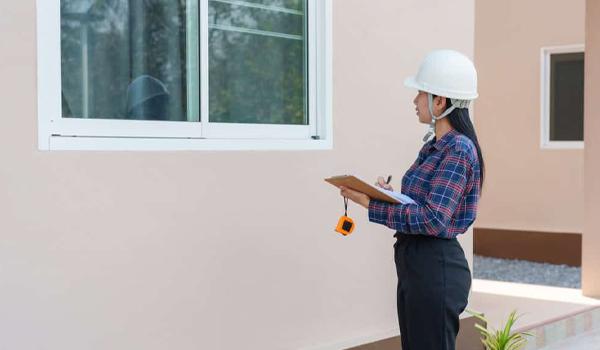
During a commercial inspection, the inspector will also check exterior spaces and components such as doors and windows (for security and weather-tightness), landscaping (particularly impacting drainage and foundation stability), accessibility features like ramps, parking lots, and compliance with fire codes related to exterior materials and access.
3. Roof, Floor, and Walls
Commercial building inspection checklists also include assessing roofs (for water damage, cracks, and proper insulation), walls (for signs of moisture intrusion, structural issues, and fire damage), and floors (for levelness, wear and tear, and potential trip hazards).
4. Property Documentation
Inspectors review relevant property documentation such as building permits, surveys, appraisals, title reports, insurance policies, and other contracts or agreements related to the property. They may also review maintenance records to understand the building’s history, legal compliance, and assess potential risks.
Their findings will be submitted in a building condition assessment with more details, photos, further recommendations for necessary follow-ups, and their estimated costs.
5. Major Systems
A significant area in commercial inspections is checking the building’s major systems. These systems (and their common defects) include:
- HVAC (refrigerant leaks, malfunctioning compressors, clogged filters, broken ductwork); also read: what is HVAC inspection.
- Electrical System (faulty wiring, overloaded circuits, broken breakers, outdated electrical panels)
- Plumbing System (leaking pipes, clogged drains, low water pressure, failing water heaters)
- Fire Safety Systems (nonfunctioning alarms, low sprinkler pressure, expired extinguishers, blocked exits)
- Roofing System (missing/damaged shingles, punctures, water damage, inadequate drainage)
- Structural Components (foundation cracks, wall deterioration, signs of settling or shifting in columns and beams)
- Building Envelope (visible gaps, deteriorated caulking, outdated windows, improper insulation)
- Automation Systems (software malfunctions, outdated technology, and connectivity issues in HVAC, lighting, and security systems)
Common Problems During Commercial Property Inspections
Based on inspectors’ reports, they encounter some issues frequently during commercial inspections, including:
- Roofing Issues: Leaks, missing or damaged shingles/tiles, ponding water, and general deterioration due to age, weather exposure, poor installation, or lack of maintenance.
- HVAC Deficiencies: Malfunctioning units, insufficient capacity, inadequate ventilation, refrigerant leaks, and dirty air filters that mainly originate in outdated equipment or poor upkeep.
- Plumbing Problems: Leaking pipes, low water pressure, clogged drains, broken fixtures, and corrosion that occur due to age, buildup, unprofessional installation, or lack of preventative maintenance.
- Electrical System Defects: Outdated panels, faulty wiring, improper grounding, and non-compliant outlets which are consequences of finished lifespan, improper installation, or lack of upgrades.
- Structural Issues: Foundation cracks, settling, wall deterioration, and beam damage. The reason often includes foundation settling, soil conditions, previous damage, or postponed inspections.
- Fire Safety Hazards: Malfunctioning fire alarms and sprinklers, blocked exits, too few extinguishers, and no emergency lighting caused by poor care, improper installation, or simply neglect.
- Exterior Deficiencies: Deteriorating facades, damaged windows and doors, poor weather protection, and insufficient landscaping are common issues that arise from elements’ exposure, deferred maintenance, or repairs.
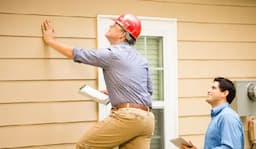

How to Prepare for a Commercial Building Inspection
To ensure a smooth and efficient commercial inspection, consider the following steps:
- Review the requirements and standards for the inspection. This may include local regulations and any specific areas the inspector will focus on.
- Perform your evaluation of the property. Check for visible issues such as leaks, cracks, or malfunctioning systems. This pre-inspection walkthrough helps identify areas that may need attention before the formal procedure.
- Gather important documents related to the building. Having maintenance records, warranties, blueprints, and previous inspection reports on hand provides valuable context for the inspector.
- Make sure the inspector can access all parts of the building’s interior and exterior areas. Clear any obstacles that might impede their assessment.
- Discuss any known issues or concerns with the inspector before the inspection begins. Be present during the inspection if possible.
Commercial Building Inspection Checklist
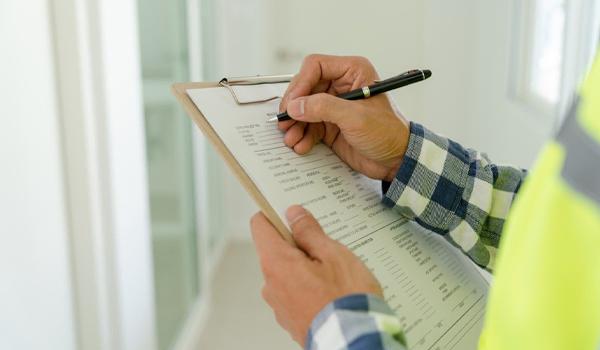
Each property type or industry has its own commercial building inspection checklist template. But in general, they cover vital systems and components for the building’s performance including:
- Building’s general topography
- Entry and reception (walls, trim, paint, floors, windows, doors, locks, ceiling, lights, etc.)
- Heating, cooling, and ventilation systems
- Plumbing, mechanical, and electrical systems
- Safety systems and components
- Foundation, roof surface, and drainage
- Exterior elements
- Parking areas and sidewalks (for accessibility)
- Kitchen storage, vent, and hood systems
- Housekeeping
- As well as other areas that are specific to the inspected property.
For a better understanding of the commercial building inspections checklist, watch this video.
Who performs commercial building inspection?
In Canada, commercial inspections are conducted by qualified professionals who hold certifications from organizations such as the Canadian Association of Certified Building Inspectors (CACBI) or similar provincial organizations.
These inspectors can be independent contractors or work for companies. Either way, they detect hidden issues, reduce liability and expenses, provide solid data for negotiations, verify compliance with codes and regulations, and offer peace of mind.
Submit your request at Houmse now for a free quote. Here, you can access an extensive list of nearby inspectors, their experience, added value, client reviews, and more.



- In this post:
- What is a commercial building inspection?
- Importance of Commercial Building Inspection
- Average Commercial Inspection Cost
- 5 Areas a Commercial Building Inspector Will Check
- Common Problems During Commercial Property Inspections
- How to Prepare for a Commercial Building Inspection
- Commercial Building Inspection Checklist
- Who performs commercial building inspection?