


Are Home Inspections Regulated in Ontario? A Clear Breakdown



Many first-time buyers and sellers assume home inspections are strictly regulated in Ontario, but the reality is more nuanced. Home inspection regulations in Ontario create confusion, because there’s no province-wide licensing or enforcement in effect yet. Right now, anyone can offer services regardless of formal credentials or training, as long as they follow general business laws.
However, the market isn’t completely devoid of structure and standards. In this guide, we’ll break down the legal status of home inspections in Ontario; the standards inspectors follow (and who enforces them); and practical steps homeowners can take to protect themselves in a loosely regulated environment.
The Legal Status of Home Inspections in Ontario
Home inspections aren’t required by law, although they’re highly recommended. There’s no provincial regulatory regime in force for home inspectors either, meaning there’s no mandatory license or certification to work as a home inspector. The Home Inspection Act, 2017, could change this, but it isn’t in force yet.
This Act contains rules for licensing, contracts, reports, insurance, and enforcement. And while it has received royal assent, it’s not currently enforceable. Once home inspection regulations in Ontario are developed and proclaimed, inspectors must have a license; written contracts would be necessary; etc.
The regulation has been debated to date, because home inspectors were one of the few professionals in real estate without provincial oversight or special qualifications. To fill this gap, it was proposed to set minimum education, exam requirements, codes of ethics, and reporting standards for consumer safety, which different industry bodies (such as OAHI) widely support.
So how do inspectors in practice operate right now? They basically work as private businesses. They’re legally allowed to call themselves inspectors as long as they follow general business laws (consumer protection, contracts, etc.). Most of them also carry professional liability and insurance, and join OAHI, CAHPI, or InterNACHI with established membership criteria.
For now, there’s no provincial registry or government board to confirm inspectors’ license (which doesn’t exist either). And while there are experts who choose to meet voluntary standards, homebuyers in consumer forums note that post-inspection problems don’t always have a clear/easy legal solution.
Licensing, Certification, and Standards: How the System Actually Works
Licensing means mandatory government permission to work, which isn’t active in current home inspection regulations in Ontario yet. Certification, on the other hand, is voluntary and association-based.
Inspectors can earn designations such as “RHI” (Registered Home Inspector) through associations like the OAHI or CAHPI. They offer credentials to show an inspector met association criteria, along with their categories and privileges (like student members, retired members, candidate membership, associate membership, etc., at OAHI).
In addition to setting member requirements, these associations maintain “Codes of Ethics” and “Standards of Practice” that members must follow. These rules define what an inspection should include and how reports are structured. They often require errors & omissions (E&O) insurance as well as provide education and peer review to increase professional competence.
This distinction is particularly important for consumers, because associations enforce the standards of practice, not the government. Therefore, certification doesn’t equal a legal requirement, and inspectors outside these groups aren’t bound by those rules.
What Ontario Homeowners Should and Should Not Expect
According to semi-formal home inspection regulations in Ontario (e.g., OAHI Standards of Practice for visual inspection scope or CAHPI National Standards of Practice for minimum inspection components), consumers should expect a visual, non-invasive assessment with a written report.
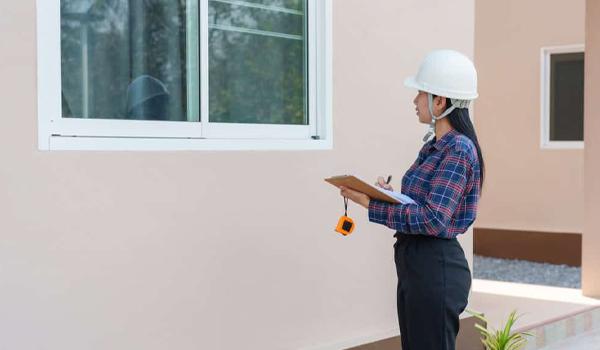
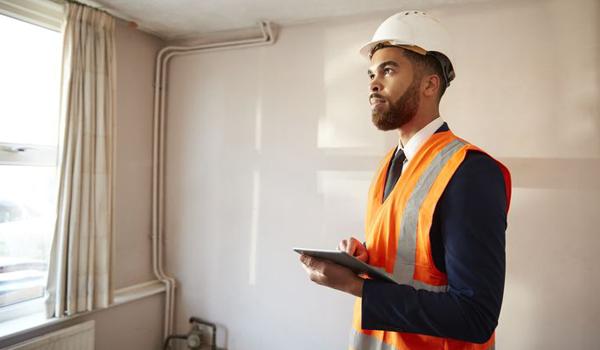
Home inspectors assess what they can see and access safely, without teardown of any kind. They evaluate the visible condition of major components and summarize their findings (defects, concerns, maintenance notes) in a report, which serves as a snapshot of the home’s condition at the time of inspection.
At the same time, homeowners should realize that an inspection doesn’t eliminate risks and guarantee that nothing will go wrong later. It isn’t a government-certified clearance or a code enforcement tool either. So, inspectors don’t “approve” homes under the Ontario Building Code.
Still, inspections are widely used during the buying process to understand risk, especially in older housing stock. Buyers use this service for peace of mind, even in competitive markets where they feel pressured to waive the inspection.
Why Regulation Gaps Matter for Buyers and Sellers
Without a mandatory license, anyone can legally work in the market, regardless of training or experience. As a result, inspector quality widely varies and reporting depth isn’t standardized across the province. The standards actually depend on whether the inspector belongs to an association or not.
Another matter that buyers should note is liability limitations by contract terms. Many inspection agreements include clauses that limit scope, define exclusions, and cap responsibility.
Sellers are affected too. A buyer’s inspection report can influence negotiations, repair requests, or deal confidence. Also, when inspection quality varies, sellers may face inconsistent findings – one inspector may flag an issue that another barely mentions.
That being said, the gap in home inspection regulations in Ontario doesn’t mean inspections aren’t valuable. It means inspection quality depends on individual training, credentials, and association oversight. Skipping or rushing the inspection isn’t advised. There’s just more emphasis on careful research and selection.
How to Verify a Home Inspector in Ontario
Start by checking the training background: formal courses in home inspection, building sciences, construction, or experience with local buildings. Verified membership in professional associations confirms expert credentials as well.
Professional and general liability insurance is another green flag, because not every inspector in Ontario is required by law to carry insurance. So, ask to see proof of current insurance; it offers protection if something goes wrong.
You can also ask for a sample report to make sure its format is clear and explanations are detailed. References from past clients and online reviews help, too. To differentiate experts further, consider specific questions such as: “What experience do you have with [a housing type I’m buying]?” or “Are you a member of OAHI or CAHPI, and what’s your level?”
Finally, make sure the inspector provides a written contract highlighting the scope, price, report delivery timeframe, and exclusions before assessment begins.
How Professional Home Inspection Platforms Help Reduce Uncertainty
In a loosely regulated market, professional platforms like Houmse add structure and help homeowners compare credentials and qualifications in one place.
They highlight inspectors who meet defined standards; they make verification simpler; they support clearer expectations upfront; and create a more consistent experience by reducing uncertainty and connecting buyers/sellers to inspectors who are aligned with industry benchmarks.




- In this post:
- The Legal Status of Home Inspections in Ontario
- Licensing, Certification, and Standards: How the System Actually Works
- What Ontario Homeowners Should and Should Not Expect
- Why Regulation Gaps Matter for Buyers and Sellers
- How to Verify a Home Inspector in Ontario
- How Professional Home Inspection Platforms Help Reduce Uncertainty