


How Long Is a Home Inspection for a Typical House?


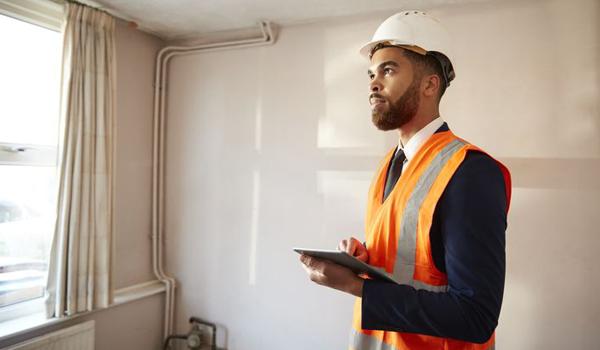
A typical home inspection usually takes 2 to 4 hours, but the exact answer to “how long does a home inspection take?” depends on the home’s size, age, and overall condition. Many buyers underestimate the time required because a proper inspection isn’t a quick visit; it’s a thorough evaluation of major systems in the house.
In the following sections, you’ll learn all the factors that affect inspection duration, what happens during those hours, and how to plan your day realistically around it.
Average Home Inspection Time for a Typical House
A standard inspection for a typical single-family detached house (about 2,000 sq ft) usually takes about 2 to 3 hours, and sometimes up to 4 hours, depending on home size and condition.
Most industry companies and sources, including Consumer Protection BC, consider this timeframe as the normal duration for a full inspection of a standard home. For instance, NACHI's final exam for new inspectors (called Test Inspection Peer Review or TIPR) also expects them to finish their evaluation within 3 hours.
A thorough inspection takes several hours because it’s not a quick walkthrough; it’s a detailed, visual assessment of the main accessible parts of the home. Inspectors need time to observe systems, test them, document their findings (by taking notes, photos, or videos), as well as explaining safety hazards, offering maintenance tips, and answering any questions you might have.
What Factors Affect How Long a Home Inspection Takes
One of the strongest factors is home size and layout. Larger homes naturally take more time, as they have more space and more components to inspect. As a rule of thumb, every additional 500 square feet increases the inspection time by 30 minutes. So, while single-family homes under 2,000 square feet take a few hours, larger or multi-level houses take longer.
Home age and condition also play a major role. Older homes often have outdated, faulty systems that require careful examination and extra time for documenting issues; a problem that experts rarely face in newer or well-maintained properties.
Another factor is how accessible key areas are. If attics, crawl spaces, basements, or utility rooms are blocked or difficult to access, inspectors have to work around obstacles, which extends how long does a home inspection take.
The number and complexity of systems extend the on-site duration as well. If there are additional HVAC units, older electrical systems, or elaborate plumbing and mechanical setups in the house, expect a longer assessment.
Finally, the type of property dictates how long the inspection will be. Detached or semi-detached properties come with more exterior surfaces, roof area, and additional components to evaluate. Condos, on the other hand, have fewer areas and eliminate exterior inspections.
What Happens During the Inspection Time
During the inspection process, inspectors move room by room and area by area to make sure nothing is overlooked. As mentioned, they carefully examine all visible parts of the home and take detailed notes and photos to document their findings and include them in the written report later.
Many inspectors also pause during the walkthrough to explain key observations or answer homeowner/buyer questions to help you understand what they’re seeing rather than just handing over a report afterward.
This is why longer inspections often indicate thoroughness and professionalism, not necessarily problems with the house.
Is a Longer Home Inspection Better?
A longer home inspection doesn’t automatically mean a better inspection. They aren’t necessarily bad either. Time alone doesn’t guarantee quality, but if the process seems rushed, it’s a definite red flag. You may think quick inspections are efficient, but in reality, a proper assessment takes time, even for seasoned professionals. The balance efficiency and thoroughness.
Experts say if an inspector breezes through the house too quickly, especially below the normal windows (1.2–2 hours for smaller homes/condos, 2–3 hours for typical detached homes, 3–4+ hours for larger/older/more complex homes), they may not be inspecting all systems thoroughly.
Knowing how long does a home inspection take helps set realistic expectations, not strict rules. That’s why experts recommend sellers/buyers not to invest too much in inspection duration.
How to Plan Your Day Around a Home Inspection
Experts suggest dedicating half a day, so you can review findings and ask questions without being rushed. Keep in mind that you need more time than the inspection alone, factoring in travel, early arrival, and post-inspection walkthrough when planning your day.
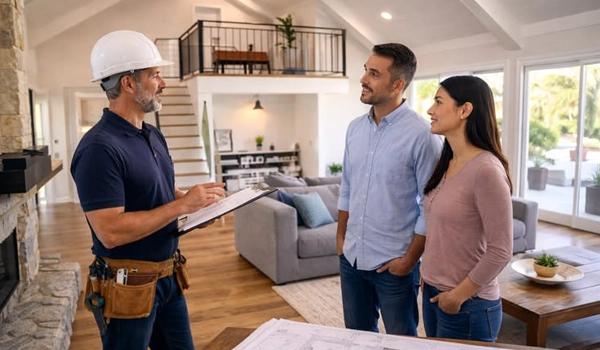
If you’re the buyer, you’re welcome to attend and walk alongside inspectors. Even if you can’t fully attend, inspectors encourage you to be present for at least part of the time, especially the final walkthrough. This way, you can see issues firsthand and fully grasp the home’s condition.
In contrast, many inspectors and listing guides believe sellers don’t need to be present for the whole process. This process is more important for buyers and their agents. That’s why most sellers have a brief attendance for providing access or greeting the inspector.
In both cases, don’t overlap inspection time with any other appointment (even another inspection). It’s important to avoid interruptions to ensure through insights and conversations.
Note: Some buyers prefer to show up, for instance, an hour into the assessment, so the inspector can work without distraction. If you prefer the same, discuss a check-in plan with the expert.
How Professional Home Inspection Platforms Set Time Expectations
Professional platforms, like Houmse, help homeowners understand timing in advance by working with inspectors who follow clear scopes of work and realistic scheduling.
Typical visits need a multi-hour window depending on the home’s size and condition, but platforms prevent tight, rushed appointments using structured bookings and standardized workflows. They also benefit from clear pre-inspection communication, confirmations, and checklist-driven processes to make timelines more predictable and less stressful.



- In this post:
- Average Home Inspection Time for a Typical House
- What Factors Affect How Long a Home Inspection Takes
- What Happens During the Inspection Time
- Is a Longer Home Inspection Better?
- How to Plan Your Day Around a Home Inspection
- How Professional Home Inspection Platforms Set Time Expectations