


Home Inspection Limits: What Inspectors Are Not Allowed to Do


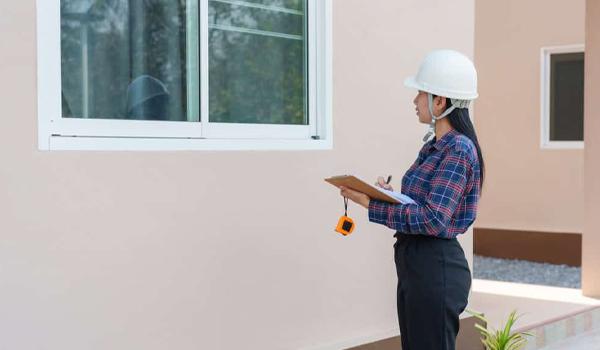
Many homebuyers and sellers assume home inspection is a guarantee or a full technical evaluation, but in reality, inspectors operate under strict limits. Understanding what are home inspectors not allowed to do is just as important as knowing what they should do, because misunderstandings about scope can lead to frustration, rejected claims, or post-sale disputes.
This guide explains the legal, technical, and professional boundaries that shape every home inspection in Ontario, and why those limits exist to protect both clients and inspectors.
Why Home Inspections Have Clear Limits
CAHPI’s National Standards of Practice defines home inspection as “a visual, non-invasive, non-destructive evaluation of readily accessible systems and components,” which is also supported by OAHI and BC Association of Home Inspectors. This means that it’s not a diagnostic service, code inspection, or repair service.
These limits exist for several reasons. First and foremost, they act as liability control. They protect clients from assuming hidden defects are guaranteed to be found, as well as inspectors from being held responsible for concealed or inaccessible issues.
Safety concerns are another reason. These standards prevent personal injury, property damage, and unsafe activation of faulty systems. They also prohibit property alteration of any kind, which protects both buyers (from unintended changes before negotiations) and sellers (from property damage).
Finally, clear limits on what are home inspectors not allowed to do, offer consumer protection by setting realistic expectations. They’re not meant to reduce value, but to define what is/isn’t included, reduce disputes, and ensure uniform service standards nationwide.
What Home Inspectors Are Not Allowed to Do
Based on Canadian Standards of Practice – especially CAHPI and CanNACHI – inspectors aren’t allowed to perform invasive or destructive testing. Any assessment that requires opening walls, removing building materials, moving heavy furniture, or dismantling systems is outside their scope.
Determining hidden conditions isn’t permitted, either. Home inspectors cannot investigate what isn’t visible or readily (or at least, reasonably) accessible without removal or demolition. They cannot guarantee or even predict the lifespan or future performance of any system/component with certainty.
Providing accurate repair quotes is outside the inspection scope as well. If a client wants cost estimates, they should consult qualified contractors. Plus, inspectors aren’t code enforcement officers and cannot verify compliance with building codes and regulations. Their reports are observational, not an official code compliance review.
What else are home inspectors not allowed to do? Specialized, technical, or engineering services are outside the inspection scope. This includes mold testing, asbestos analysis, pest evaluations, and structural calculations. Operating shut-off valves, inoperable, or unsafe systems are among other limitations as well.
Legal and Liability Boundaries Inspectors Must Follow
What home inspectors can and cannot do in Ontario is shaped by three things: the inspection agreement (contract), the standards of practice (SOP) they follow, and the mandatory or industry-required insurance coverage.
The contract defines the scope of inspection, exclusions, dispute resolution terms, and liability limitations. It practically – and legally – restricts the inspection to a visual, non-invasive assessment, as well as providing a contractual protection for experts.
Standards of practice determine what must be inspected, what is not required, and what is excluded. Any inspector who exceeds SOP boundaries would risk breach of contract, insurance denial, and their own professional discipline.
Insurance requirements also impact professionals’ behavior. Most inspectors in Ontario carry Errors & Omissions (E&O) and general liability insurance. However, these policies only apply when inspectors work within defined scope and standards. Offering engineering advice or providing guarantees, for instance, may void their coverage.
Another part of what are home inspectors not allowed to do is to prevent conflict of interest and biased reports. As a result, most associations prohibit inspectors from performing repairs on inspected properties or referring work for financial gain without disclosure.
What Homeowners Should Do When Issues Are Outside Inspection Scope
When home inspectors flag an issue but it’s beyond their scope, they may recommend “further evaluation by a qualified professional.” The next step is to consult licensed trades, engineers, or specialists.
It’s important to note that home inspection is designed to identify concerns, not to diagnose, certify, or price repairs. It’s often the first step in evaluating a property, not the final answer.
Qualified professionals can provide diagnosis, repair method, and written quotes though; valuable information that helps quantify financial exposure, gain leverage in negotiation, and avoid overestimating repair costs.






- In this post:
- Why Home Inspections Have Clear Limits
- What Home Inspectors Are Not Allowed to Do
- Legal and Liability Boundaries Inspectors Must Follow
- What Homeowners Should Do When Issues Are Outside Inspection Scope